Tyre Killer vs Road Blocker vs Hydraulic Bollard: Which Do You Need?
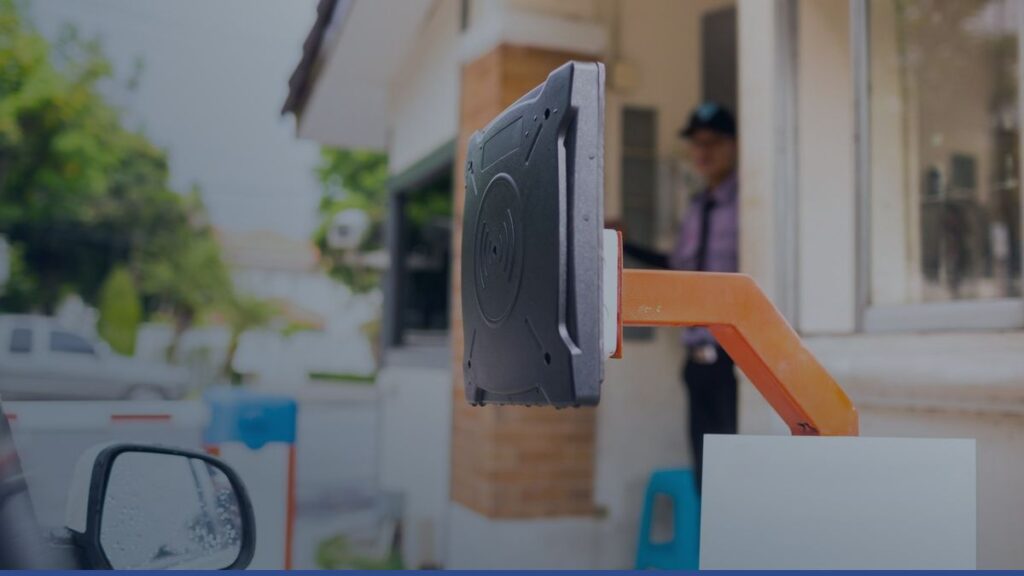
Banks, embassies, government buildings, factories and high-end housing projects need to stop vehicles that should not enter, not just control them. A normal boom barrier can be broken by a determined driver. That is where tyre killers, road blockers and hydraulic bollards come in.
All three stop vehicles, but they work differently and suit different sites.
Tyre killer
A tyre killer is a row of sharp steel spikes set into the road. When raised, the spikes puncture the tyres of any vehicle that tries to cross. Most models allow vehicles to pass freely in the permitted direction.
Best for: checkpoints, factory entrances, parking exits and one-way control.
- Strong deterrent, clearly visible
- Can be one-way or bidirectional
- Stops vehicles by disabling the tyres; it does not physically block the lane
Road blocker
A road blocker is a heavy steel plate that rises from the ground to form a solid wall across the lane. Hydraulic models can be raised quickly, and some offer an emergency fast operation for immediate threats.
Best for: high-security sites such as banks, embassies, data centres and government buildings.
- Physically stops the vehicle
- Highest security of the three for vehicle entrances
- Needs significant civil work and drainage
Hydraulic bollards
Automatic bollards are steel posts that rise from and sink into the ground. When lowered, they are flush with the road; when raised, they block vehicles while allowing pedestrians to walk between them.
Best for: hotels, plazas, pedestrian streets, and building frontages where appearance matters.
- Clean, modern look
- Lets pedestrians pass while blocking cars
- Can protect wide areas with a row of posts
Side-by-side comparison
| Tyre killer | Road blocker | Hydraulic bollard | |
|---|---|---|---|
| How it stops vehicles | Punctures tyres | Solid rising wall | Rising steel posts |
| Security level | Medium to high | High | Medium to high (depends on rating) |
| Pedestrian access | Walk over when lowered | Blocked when raised | Walk between posts |
| Appearance | Industrial | Industrial | Architectural |
| Civil work | Moderate | Heavy | Moderate to heavy |
Things to decide before choosing
- What is the threat? Unauthorised entry, or a deliberate ramming attempt?
- How much traffic passes? Busy lanes need fast operation cycles.
- Is drainage good? Water in the pit damages hydraulic systems.
- How will it be controlled? Guard button, remote, RFID or access control.
- Does appearance matter? Bollards suit hotels and frontages better.
Combine for layered security
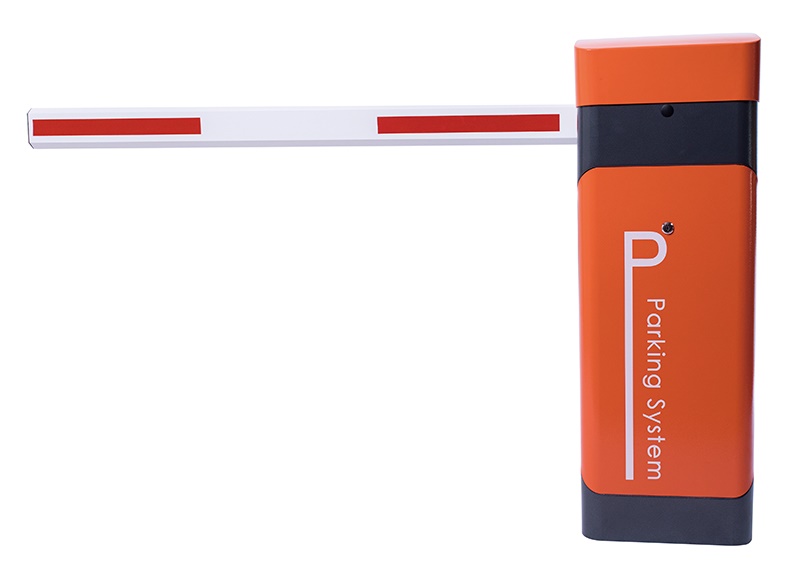
High-security entrances often use layers: an automatic road barrier for daily control, a road blocker or tyre killer for enforcement, and CCTV to record everything.
Frequently asked questions
Can these be connected to access control?
Yes. They can be opened by RFID, remote, guard control or access control systems.
Do they need maintenance?
Yes. Hydraulic systems and pits need regular checks and cleaning to stay reliable.
Which one is cheapest?
Tyre killers are often the lower-cost option, while road blockers usually need the most civil work. Your site survey decides the final price.